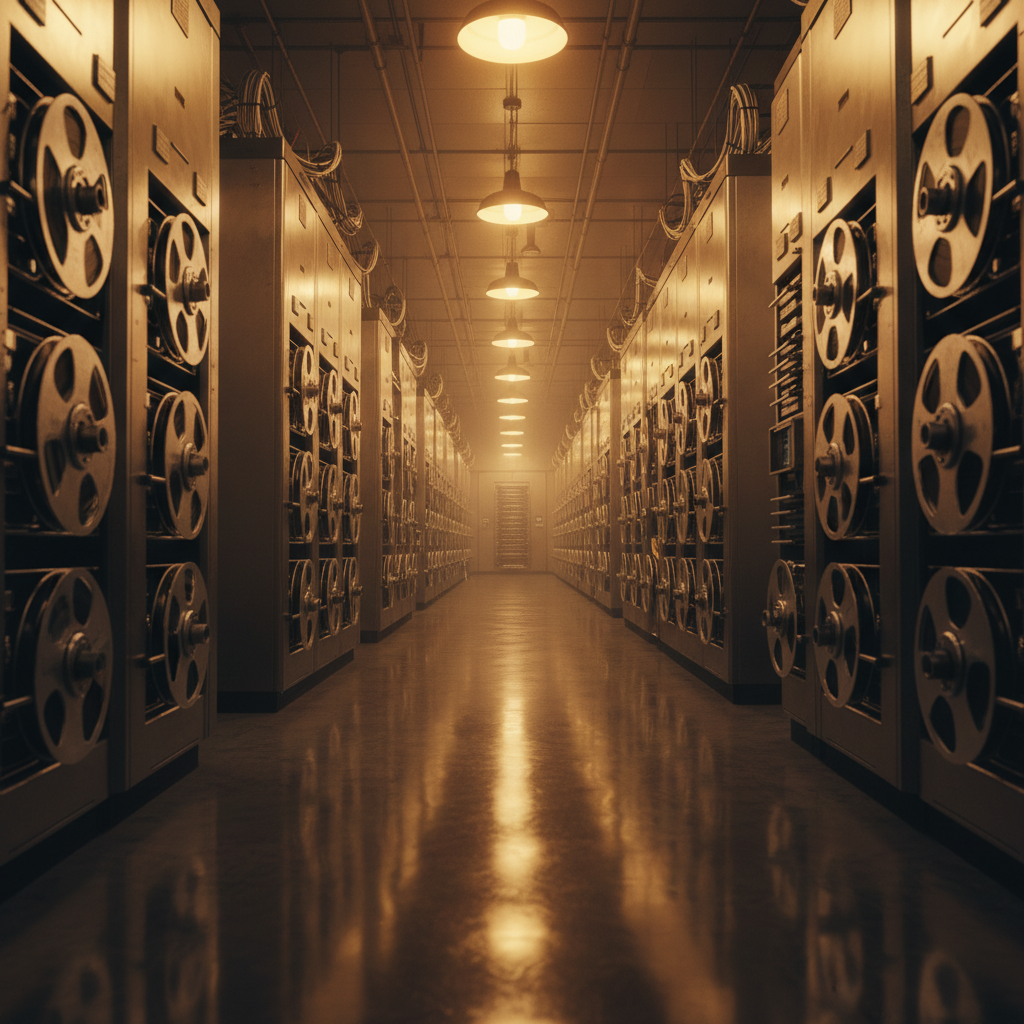
IBM mainframe corridor with towering cabinets receding in perspective, reel-to-reel tapes, tungsten lights casting amber shadows on polished concrete
EST. 1947 • COMPUTING HISTORY •
San Francisco, CA · Open Daily 10–6

Every machine here
changed the world.
Most fit in this room.

12,000 artifacts. Eight decades of silicon, copper, and imagination. The garage workbenches where billion-dollar ideas first drew breath.

Explore Collection
Scroll
Vacuum Tubes·Transistors·Integrated Circuits·Microprocessors·Personal Computing·The Internet·Mobile Era·Artificial Intelligence·Vacuum Tubes·Transistors·Integrated Circuits·Microprocessors·Personal Computing·The Internet·Mobile Era·Artificial Intelligence·

Permanent Collection

Eight decades,
one corridor.

Each card is an era. Each era a leap. Scroll through the machines that rewired civilization.
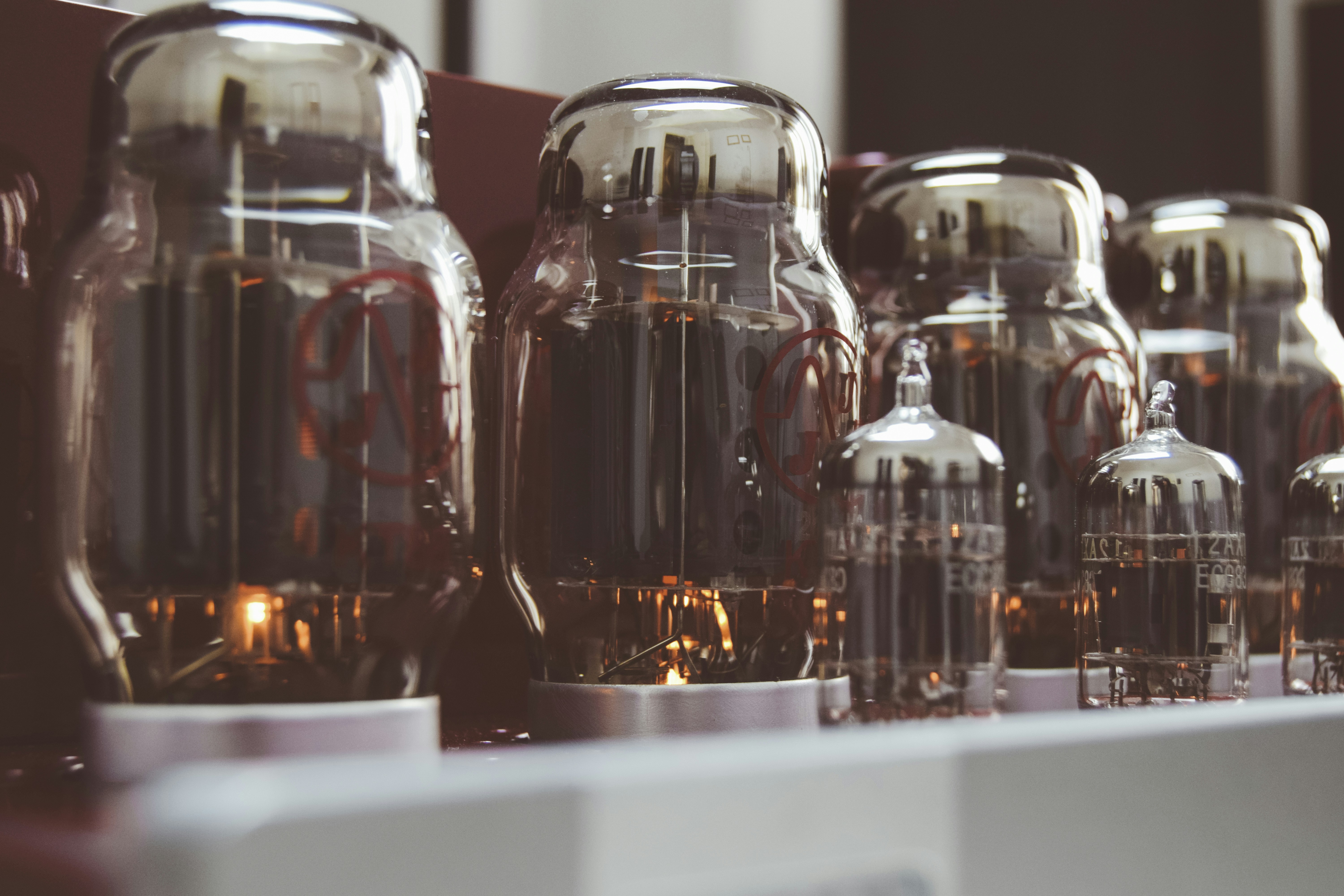
Close-up of vintage vacuum tubes glowing orange in a dark rack, wires visible between glass envelopes
Vacuum Tubes
1946

ENIAC

The first general-purpose electronic computer. 18,000 vacuum tubes. 30 tons. Programmed entirely by women.

View Artifact
"I've always been more interested in the future than in the past."

Grace Hopper

Rear Admiral, USN · Inventor of the Compiler
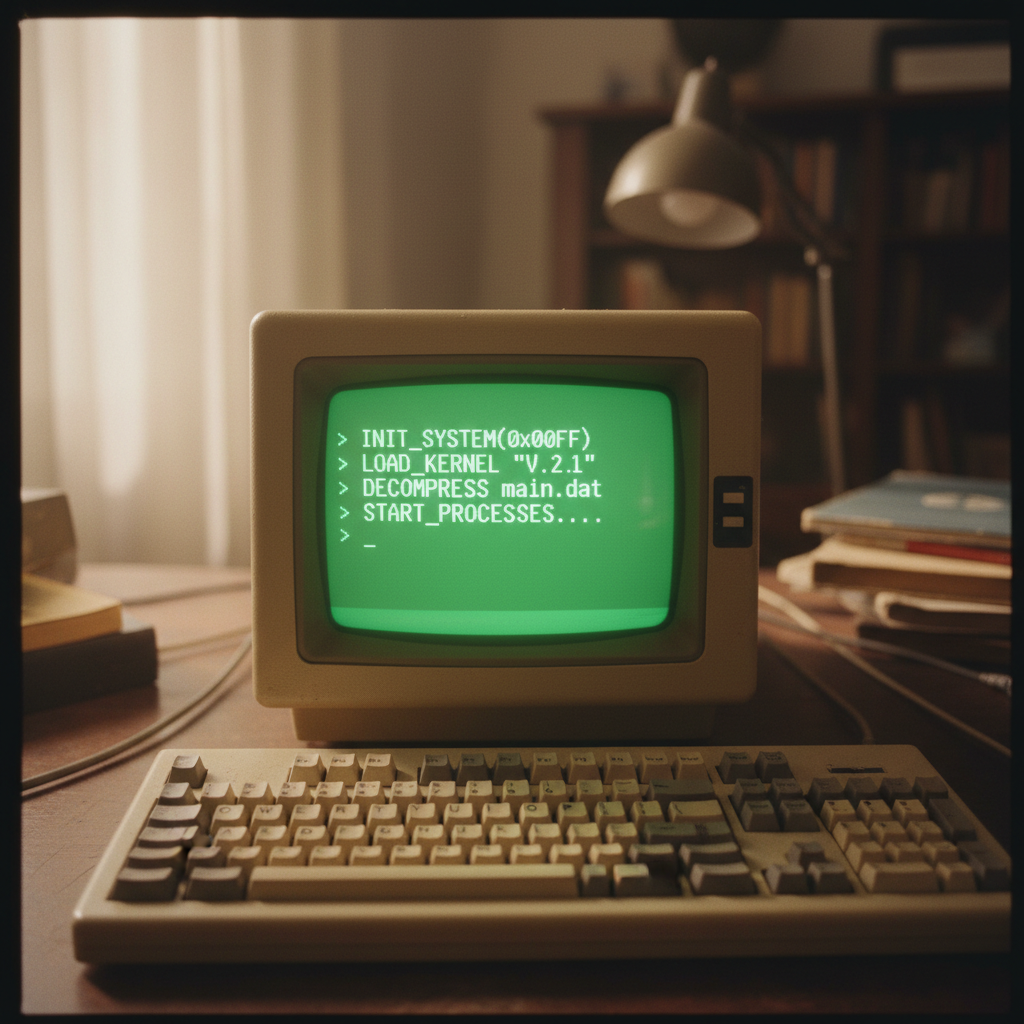
Vintage computer terminal with green phosphor screen displaying code, keyboard in foreground
Transistors
1954

IBM 650

The most popular computer of the 1950s. Magnetic drum memory. 2,000 operations per second.
View Artifact
12,400
Artifacts in permanent collection
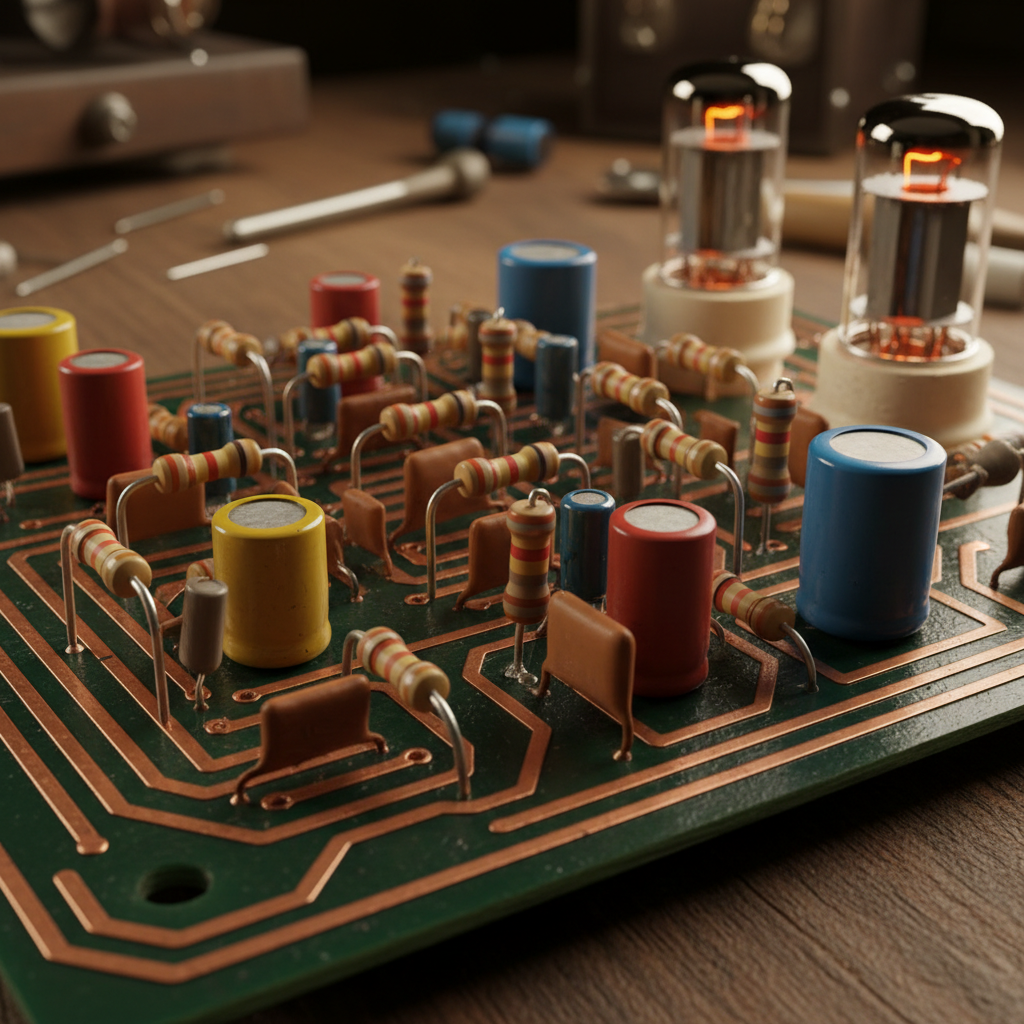
Vintage circuit board with colorful resistors and capacitors soldered by hand, traces visible
Integrated Circuits
1965

PDP-8

The first mass-produced minicomputer. It made computing personal — long before personal computing.

View Artifact
"A computer would deserve to be called intelligent if it could deceive a human into believing it was human."

Alan Turing

Father of Theoretical Computer Science
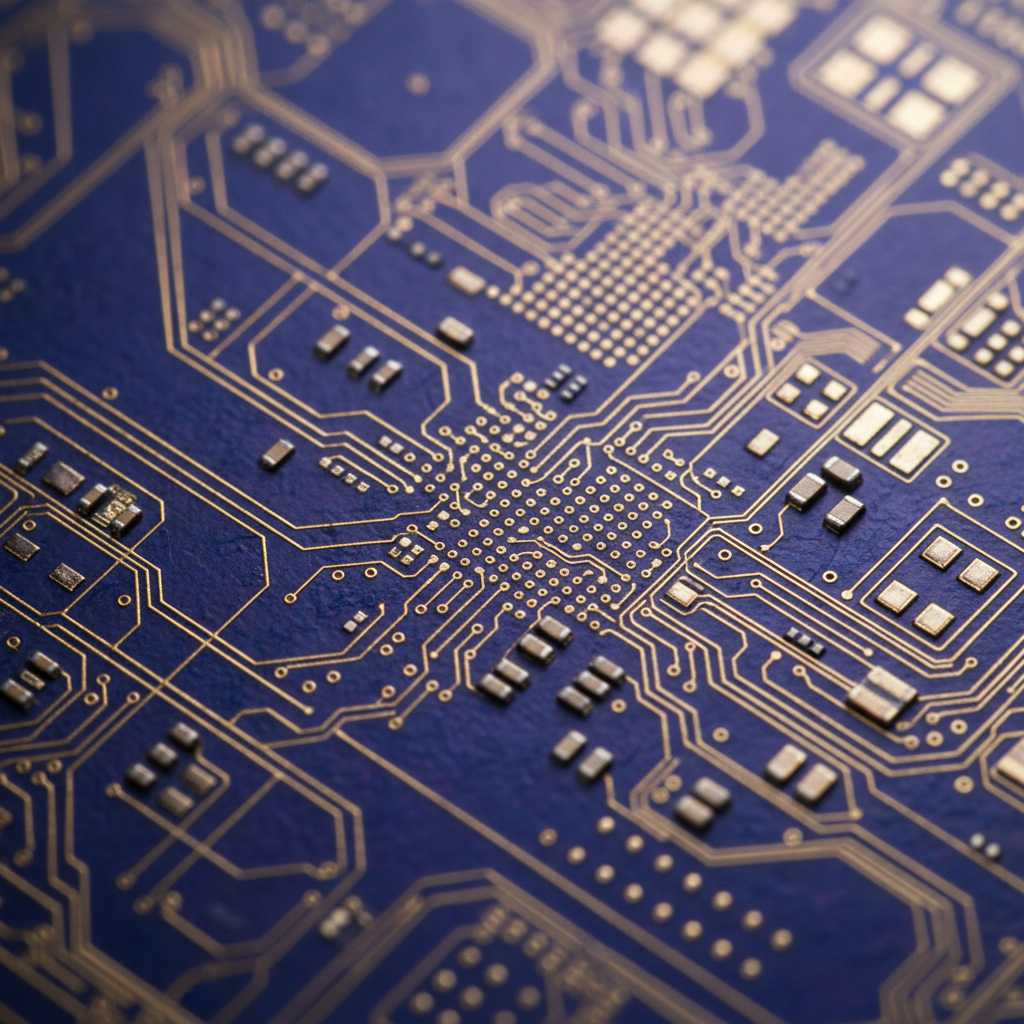
Macro photograph of a silicon microchip showing etched circuit traces under magnification
Microprocessors
1971

Intel 4004

The first commercially available microprocessor. 2,300 transistors on a chip smaller than a fingernail.
View Artifact
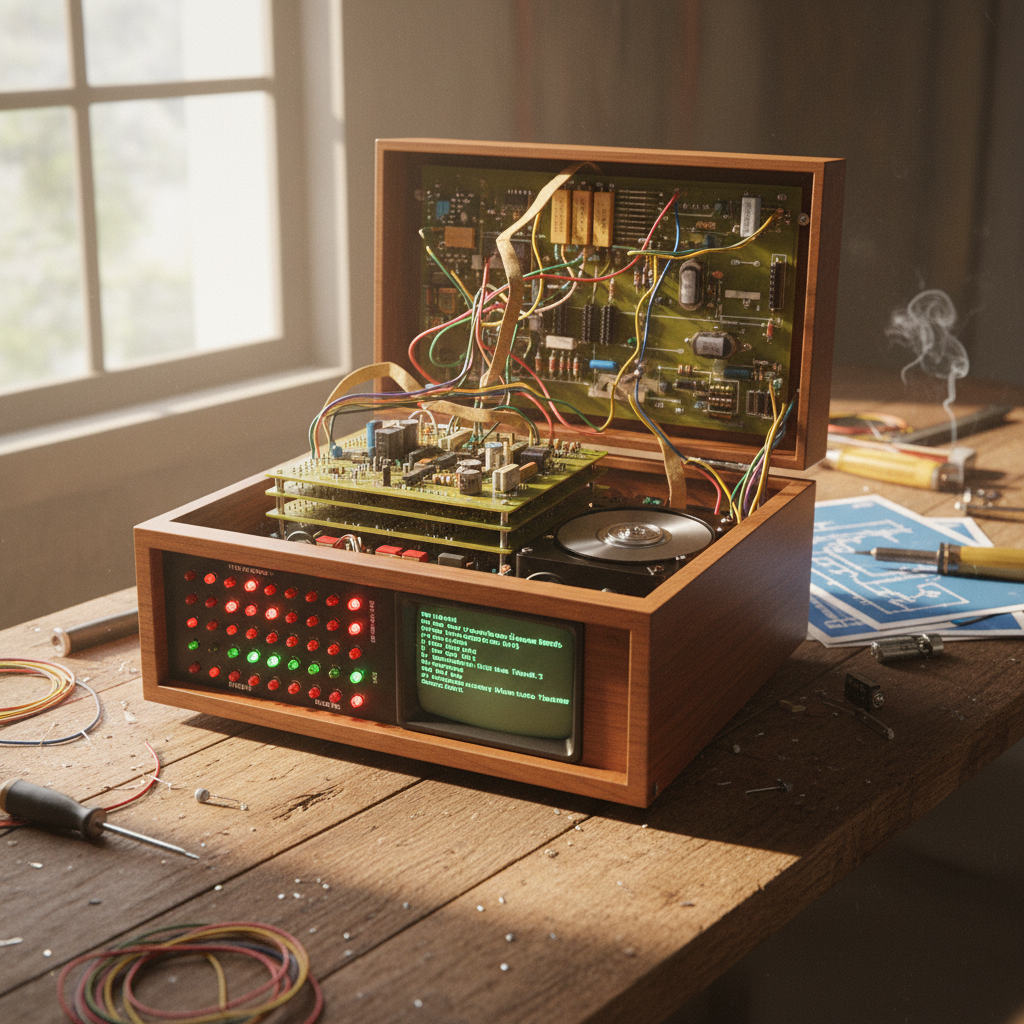
Wooden-cased early personal computer on a workbench with hand-soldered components visible
Personal Computing
1976

Apple I

Hand-soldered by Wozniak in a garage. 200 units. The machine that started everything.

View Artifact
"The computer was born to solve problems that did not exist before."

Bill Gates

Co-founder, Microsoft
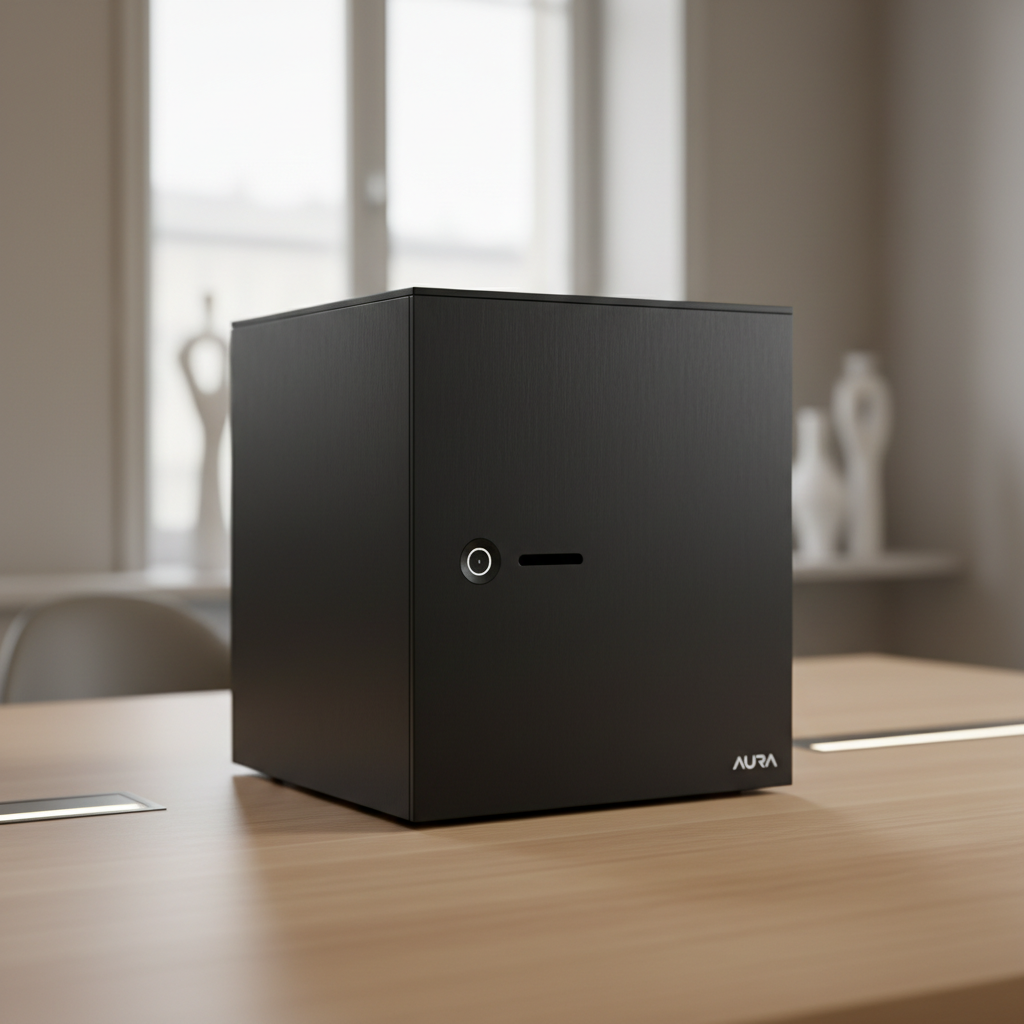
Matte black cube-shaped workstation computer on a clean desk, minimal and architectural in design
The Internet Age
1989

NeXT Cube

The machine on which Tim Berners-Lee wrote the first web server. This box invented the World Wide Web.

View Artifact
0
Artifacts in collection
0yrs
Computing history covered
0+
Visitors last year
0/5
Average visitor rating
Featured Artifacts

Touch the machines
that touched the future.
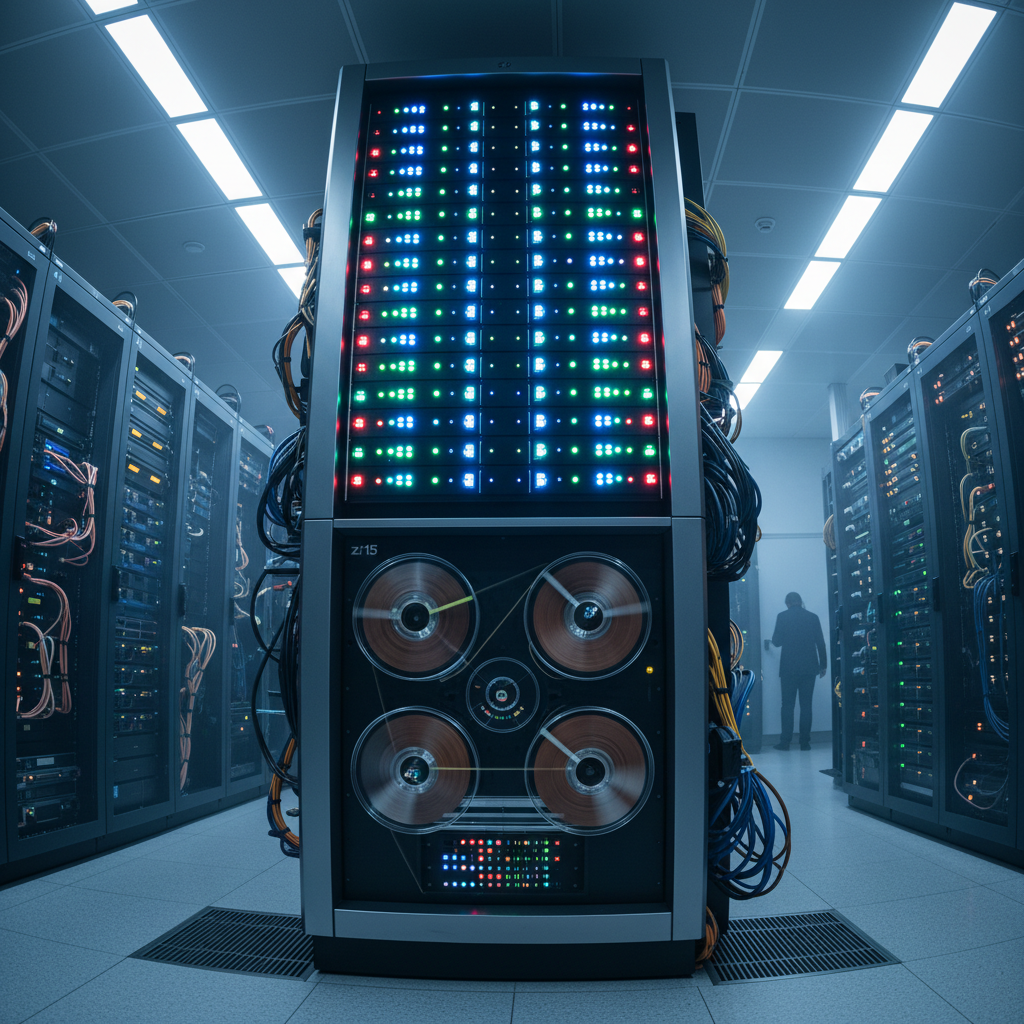
Towering IBM mainframe cabinet with blinking indicator lights and magnetic tape reels in a data center corridor
1962
Mainframe Era

IBM 7094

The machine that guided NASA's Project Mercury. Stands 7 feet tall. You can walk inside it.
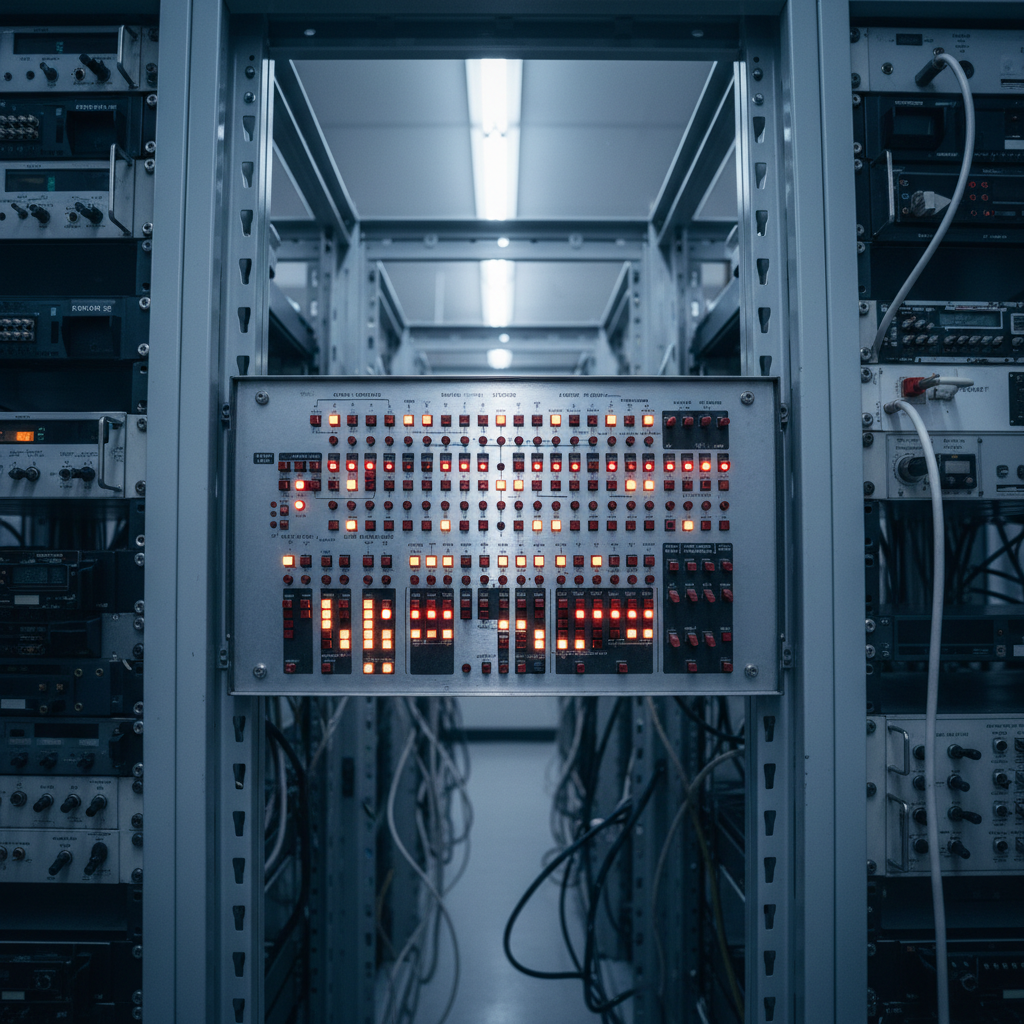
Scientific computing · Batch processing · 250 KFLOPS
01
DEC PDP-11 minicomputer with toggle switches and blinking lights on front panel, mounted in metal rack
1970
Minicomputer

PDP-11

The computer that Unix was written on. Touch the panel. Feel what Kernighan and Ritchie touched.
Interactive use · 16-bit · Unix birthplace
02
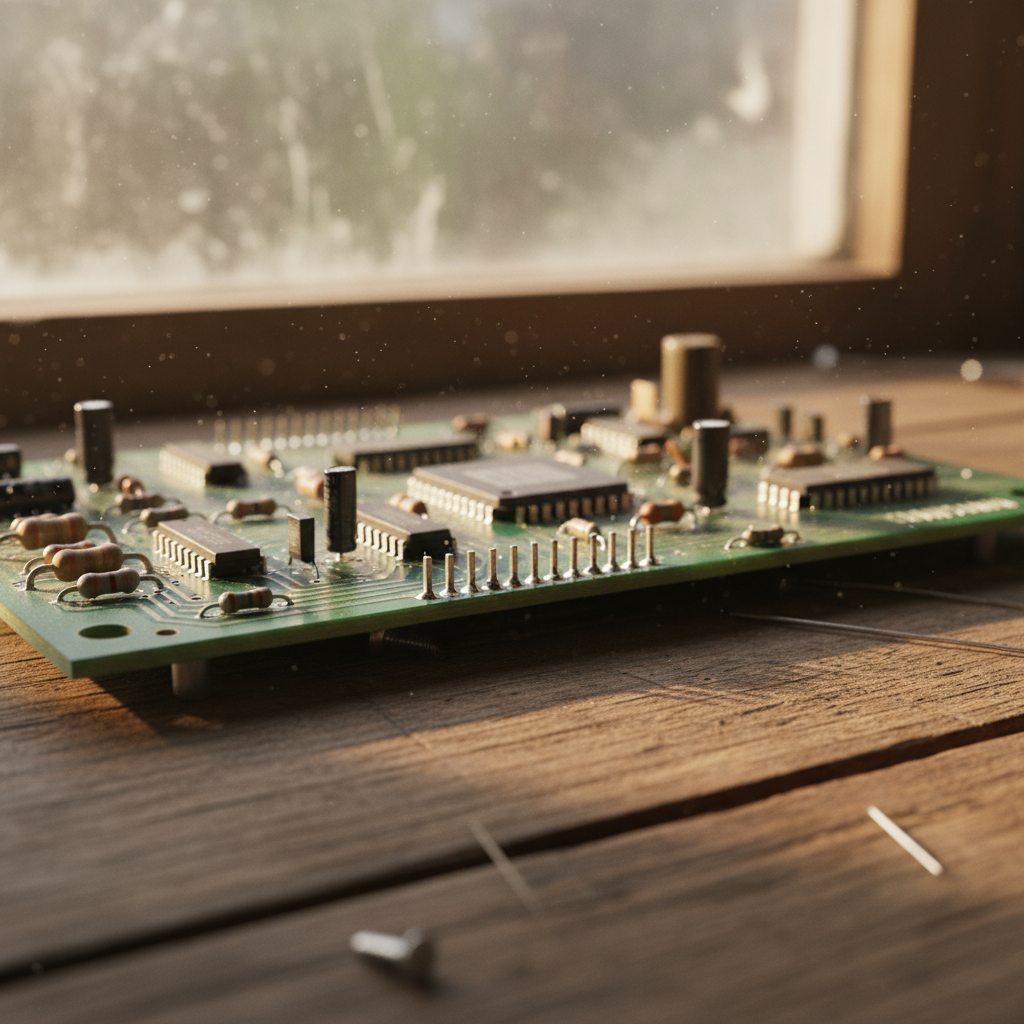
Early personal computer circuit board with hand-soldered components on a wooden surface in a garage workshop
1976
Personal Computing

Apple I

200 units. Hand-soldered. One of 6 surviving examples in working condition. This is one of them.
MOS 6502 · 4KB RAM · Hand-assembled
03
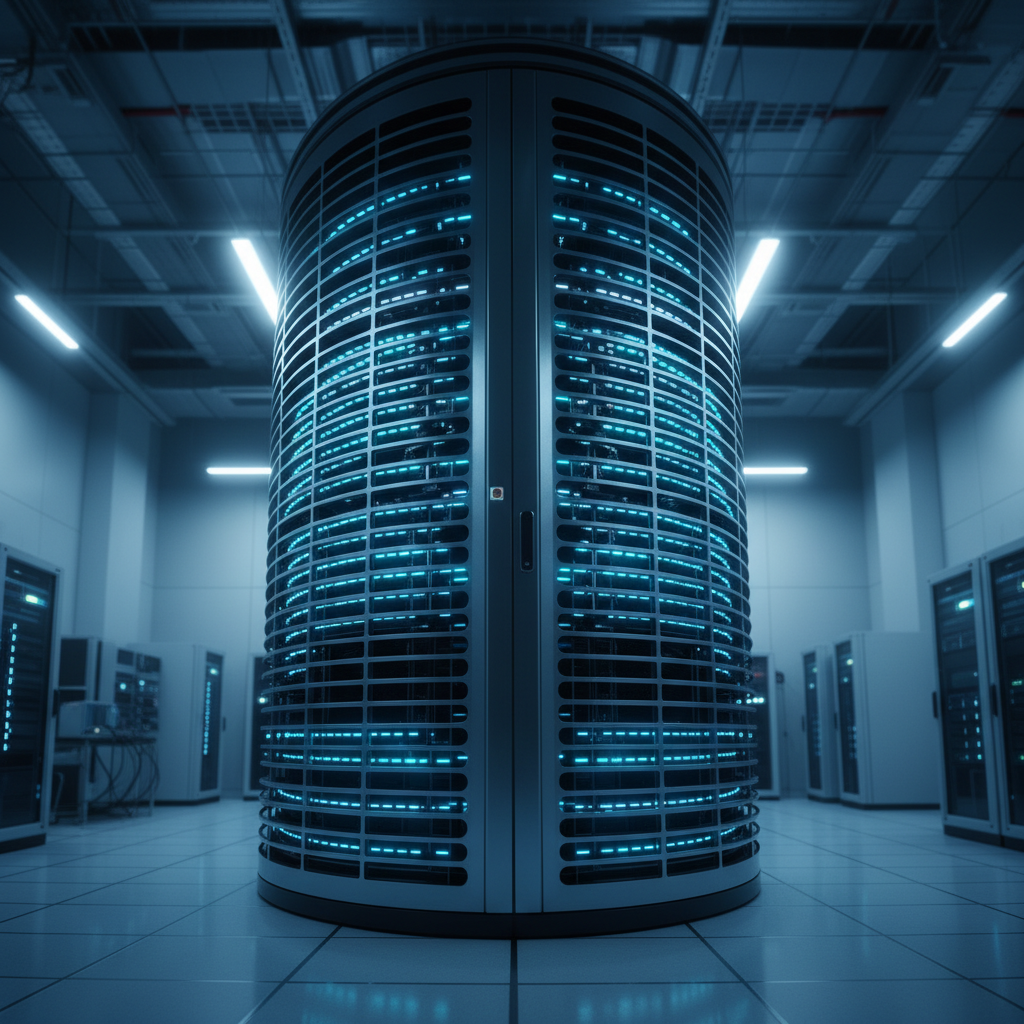
Cylindrical supercomputer with padded bench surrounding its base, blinking panels visible through ventilation slots
1976
Supercomputing

Cray-1

The fastest computer on earth for a decade. Shaped like a C to minimize wire length. Seymour Cray's obsession.
80 MHz · 138 MFLOPS · 5.5 tons
04
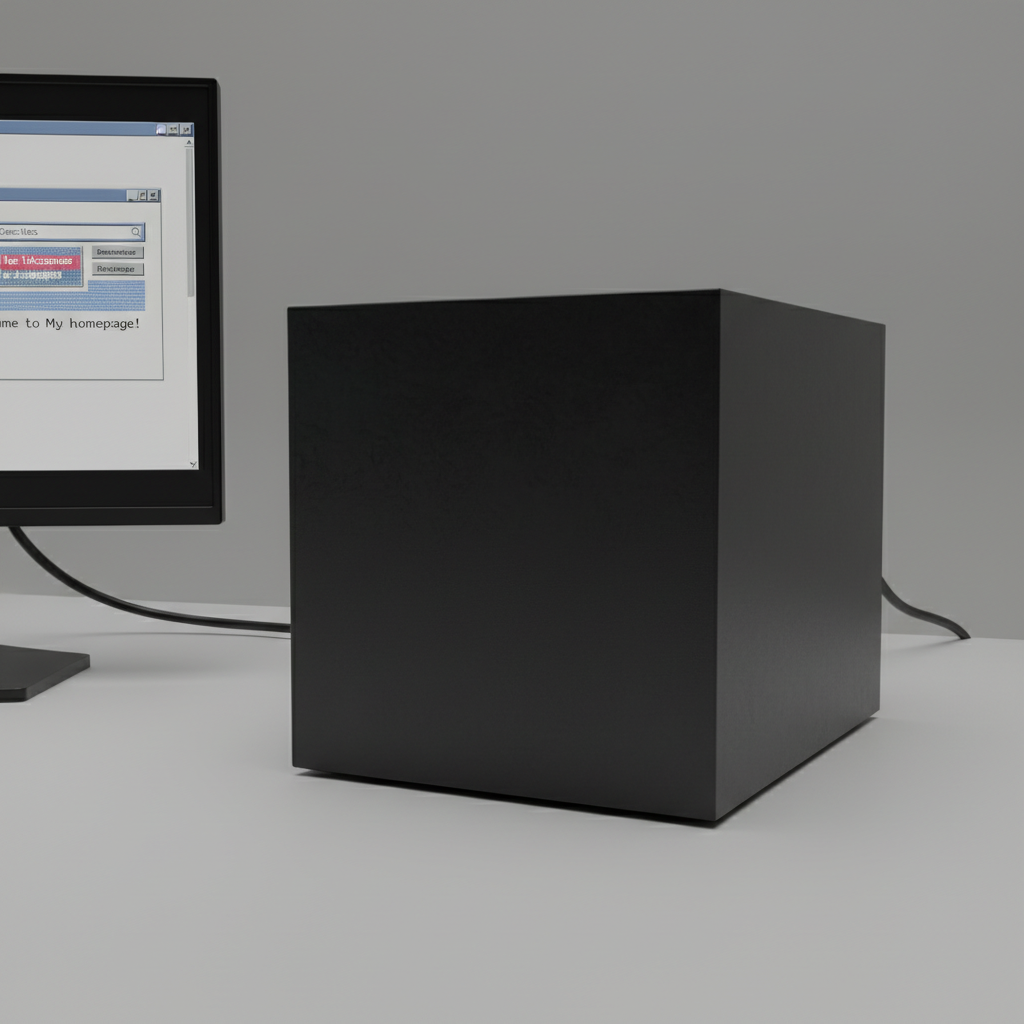
Matte black cube workstation computer with monitor showing early web browser interface
1989
The Web is Born

NeXT Cube

Tim Berners-Lee's personal machine. The first web server ran on this exact model. The internet started here.

Motorola 68030 · 8MB RAM · World Wide Web
05

Who Visits

There is a visit
designed for you.
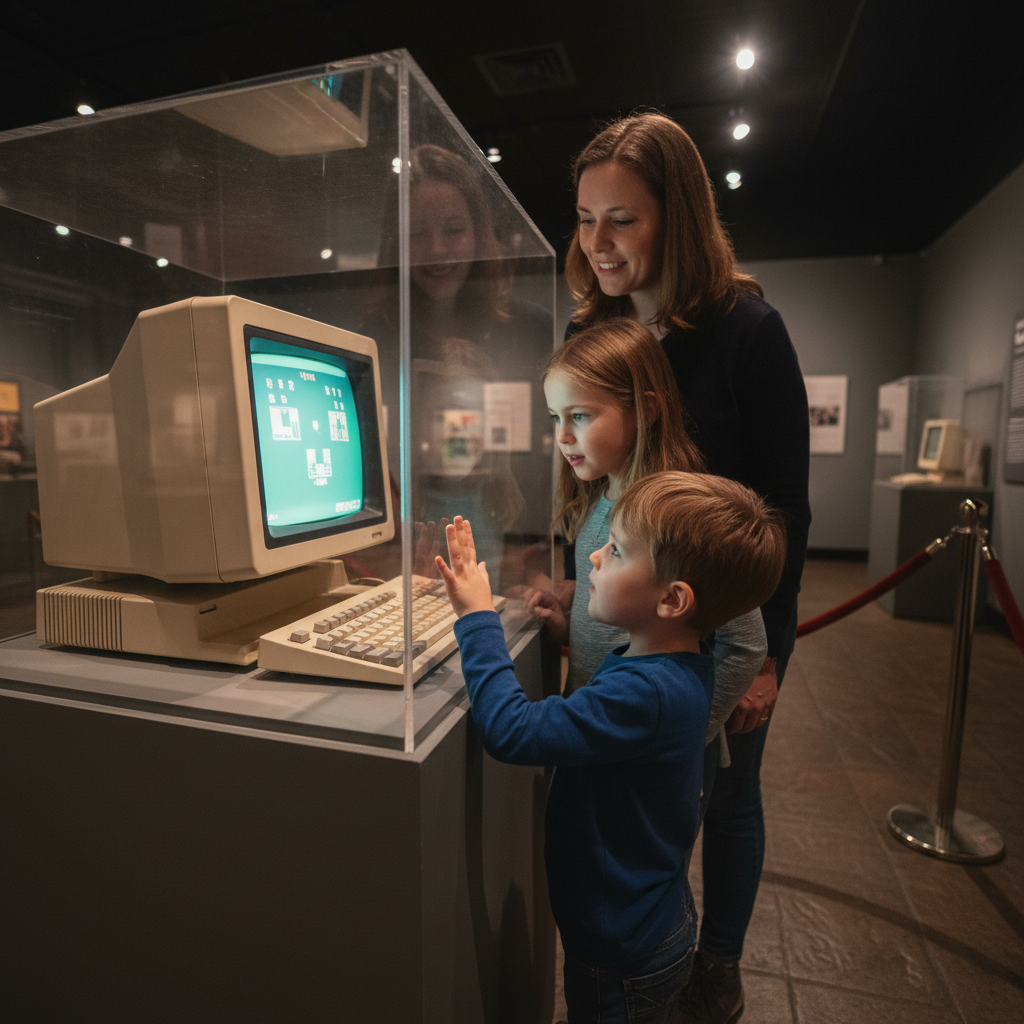
Parent and two children examining a vintage computer display in a museum gallery, child reaching toward the machine
Homeschool Families

A full semester in one afternoon.

Curriculum-aligned docent tours that cover computing history from Babbage to Berners-Lee. Hands-on punch card programming. Kids leave knowing why they hold the most powerful computer in history in their pocket.
Ages 8–18Curriculum packets includedHands-on lab sessionsGroup rates from $12/student
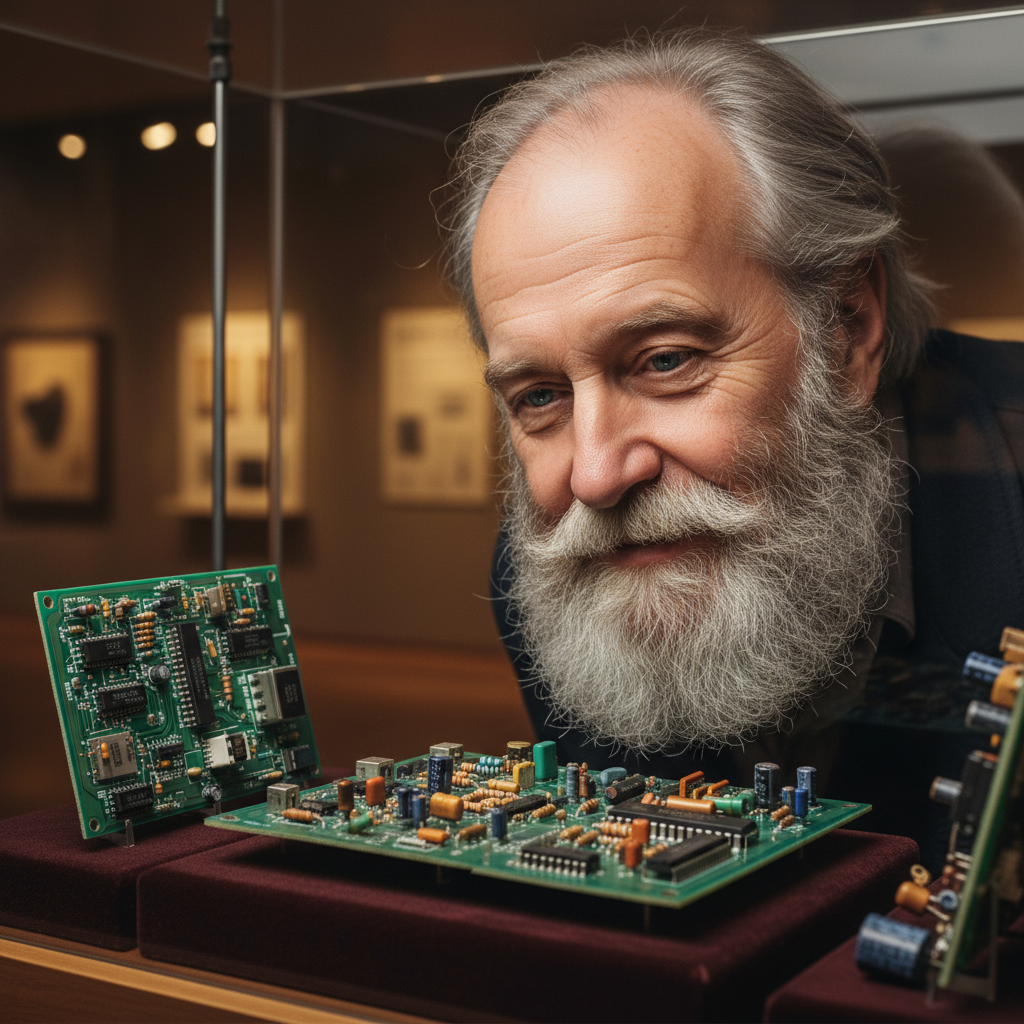
Older man with gray beard examining circuit boards in a well-lit museum case, expression of recognition and nostalgia
Retired Engineers

You built this world.

Come back to the machines you programmed. Touch the toggle switches you know by memory. Share your stories with our oral history archive.
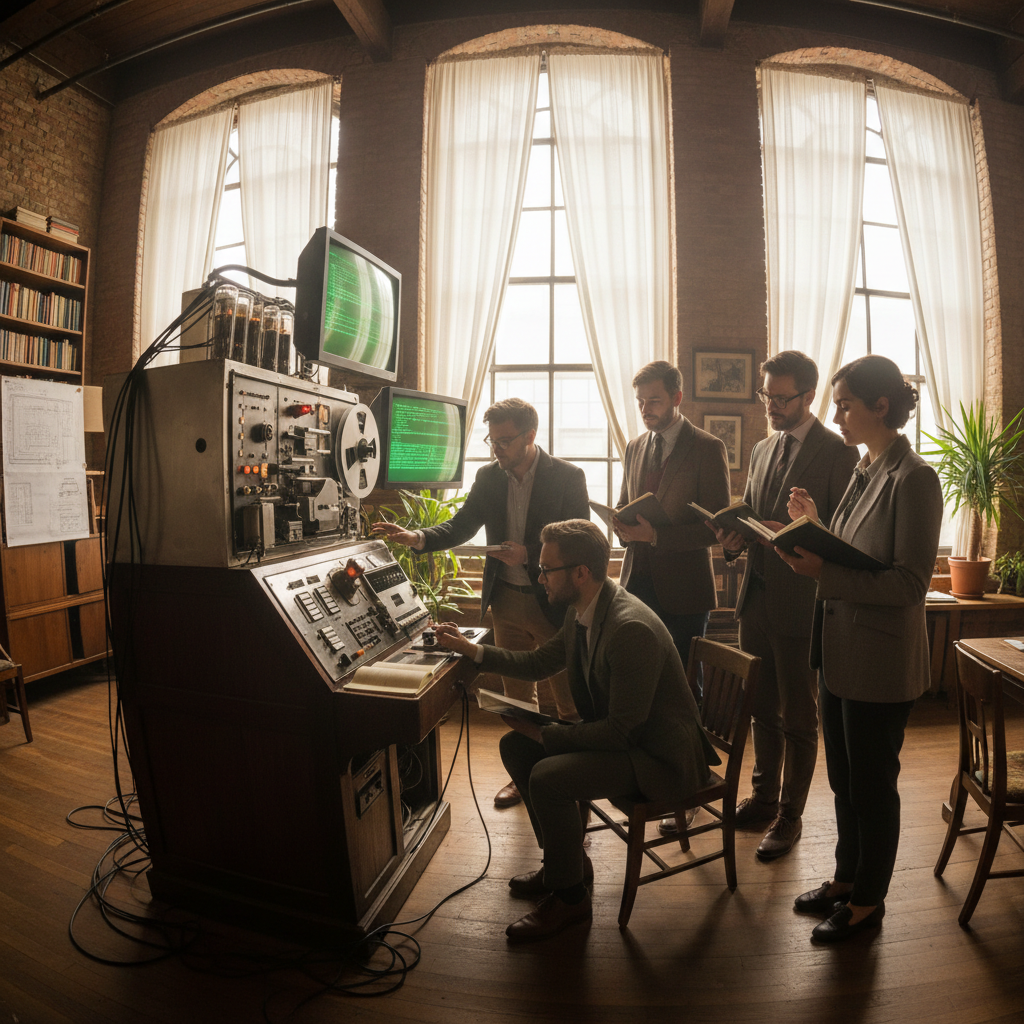
Professional team gathered around a vintage computer installation, engaged in discussion and taking notes
Corporate Teams

Inspiration retreats that actually inspire.

Your team will leave the IBM 7094 corridor with a different relationship to impossible problems. Private after-hours tours. Custom workshop facilitation.
Museum gallery at night with glowing mainframe panels casting blue light across a darkened exhibition hall

Next Exhibition · Opening March 15, 2026

The Garage Era:
When $1,300 Changed Everything

A new permanent wing dedicated to the personal computing revolution — original Altair 8800 kits, Wozniak's soldering iron, and the actual HP garage workbench where it all began.